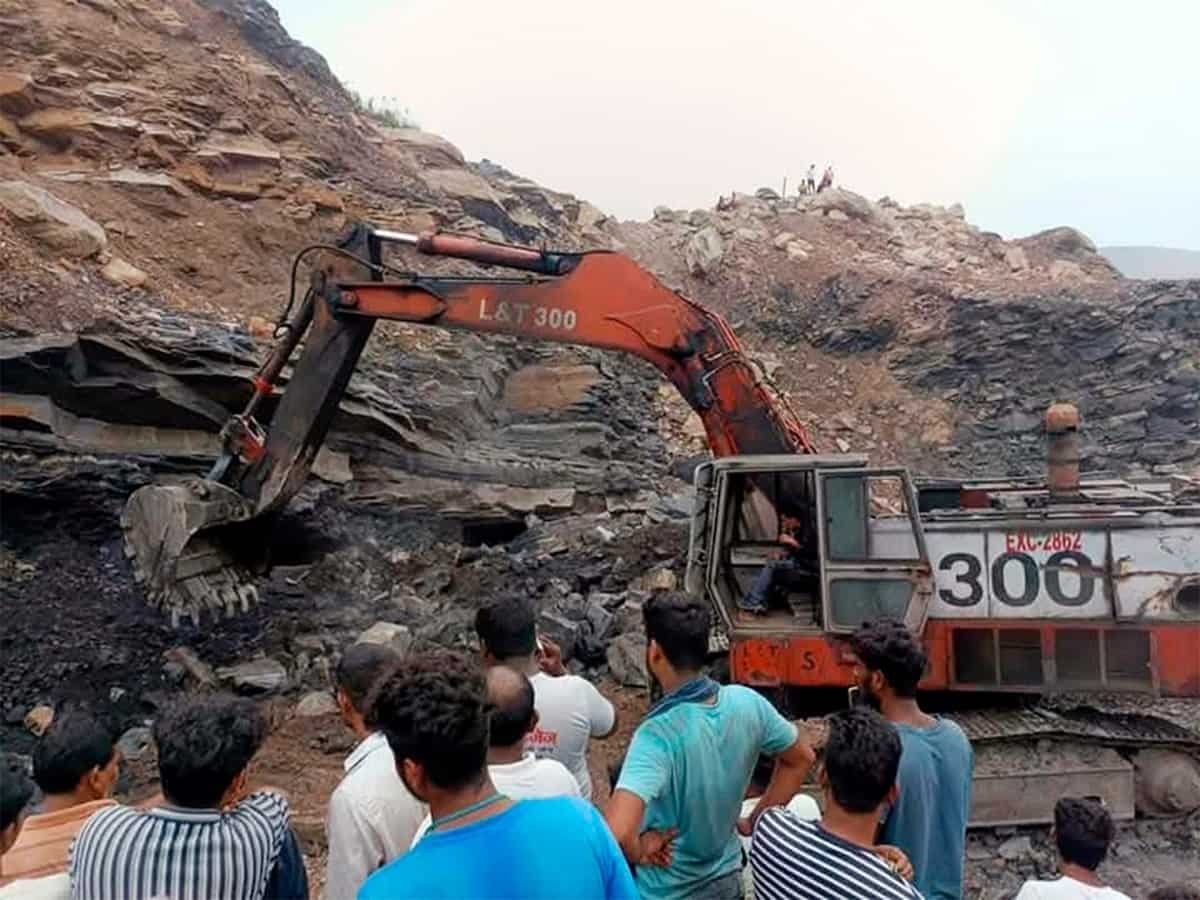
Arunachal Pradesh will launch its first commercial coal mine at the Namchik–Namphuk block on Monday, in what the Ministry of Coal has described as a “historic day” for the state and the Northeast. The initiative, officially announced by the Ministry on Sunday, October 5, is expected to boost energy security, create local jobs and strengthen the region’s economic base.
A landmark moment for Arunachal Pradesh
Union Minister for Coal and Mines G Kishan Reddy will lead the launch ceremony, beginning with a Bhoomi Poojan ritual, followed by the formal handover of the mining lease. He will also flag off the machinery of Coal Products Pvt Ltd (CPPL) to the Namchik–Namphuk site and participate in a tree plantation drive under the 100-tree initiative.
Located in Changlang district, the coal block holds an estimated reserve of 1.5 crore tonnes. Initially allocated in 2003, the project remained inactive for nearly two decades due to regulatory and environmental challenges. It was revived in 2022 through a transparent auction process, paving the way for private participation and ending years of delay.
Add Zee Business as a Preferred Source

According to the Ministry, the mine is expected to generate more than Rs 100 crore in annual revenue for the state and create employment opportunities for local youth. The project, it said, aligns with Prime Minister Narendra Modi’s EAST vision – Empower, Act, Strengthen, Transform – aimed at inclusive growth and development across the Northeast.
Driving transparency and economic revival
Officials said the operationalisation of the mine will help curb illegal mining and ensure that local communities directly benefit from the state’s natural resources. The project also reflects the Centre’s commitment to transparency, accountability and environmental balance in the energy sector.
Arunachal Pradesh’s entry into the country’s formal coal production network comes as India – the world’s second-largest coal producer – recorded over one billion tonnes of output last year. The Ministry said the move will also accelerate exploration of critical minerals in the Northeast, with two blocks in Arunachal Pradesh and five in Assam now under auction.
Balancing development with sustainability
The Government has underlined that coal production in the Northeast will not come at the cost of ecology. The region, known for its forests, rivers and biodiversity, will be developed as a model for sustainable mining.
The Ministry said over 57,000 hectares of mined land across India have already been reclaimed, with an additional 16,000 hectares to be restored by 2030 under Mission Green Coal Regions. Mining operations in the Northeast will follow a people-first model guided by Jan Bhagidaari – community participation in decision-making and development.
Massive infrastructure push transforming the Northeast
The launch comes amid record levels of public investment in the region. Over the past 11 years, the Northeast has attracted over Rs 6 lakh crore in infrastructure and development projects. In Arunachal Pradesh alone, allocations have risen from Rs 6,000 crore before 2014 to Rs 1 lakh crore after 2014 – a sixteen-fold increase.
The Ministry said the government’s focus on connectivity has transformed the region’s economy, with 16,000 km of national highways, 80,000 km of rural roads, 2,000 bridges, 19 airports, and landmark projects such as the Sela Tunnel and Bhupen Hazarika Bridge now operational. Rail investments have multiplied five times, with projects worth Rs 77,000 crore currently underway. The Northeast Gas Grid and Vibrant Villages Programme which has linked over 450 border villages are further integrating the region with national growth corridors.
Strengthening workforce welfare
The Ministry emphasised that worker welfare remains central to the coal sector’s reform agenda. Key initiatives include the Corporate Salary Package offering insurance and financial support, Rs 1 crore accident cover, Rs 2 crore air accident cover, and Rs 25 lakh ex-gratia for fatal accidents. Contract workers are also being brought under insurance coverage for the first time.
Additional measures include better healthcare, scholarships, improved living facilities and a uniform dress code to promote respect and unity among workers.