
Guinness Nigeria Plc and other consumer-goods giants are turning to startups to crack Africa’s vast informal retail market.
Flour Mills of Nigeria Plc has acquired a stake in OmniRetail, which provides inventory management and payments service through a mobile platform. The startup connects 130 manufacturers including Guinness, CHI and Dufil Prima Foods Plc, along with 14 banks and logistics providers, to 150 000 mom-and-pop stores in Nigeria — Africa’s most populous nation — as well as informal vendors in Ghana and Ivory Coast.
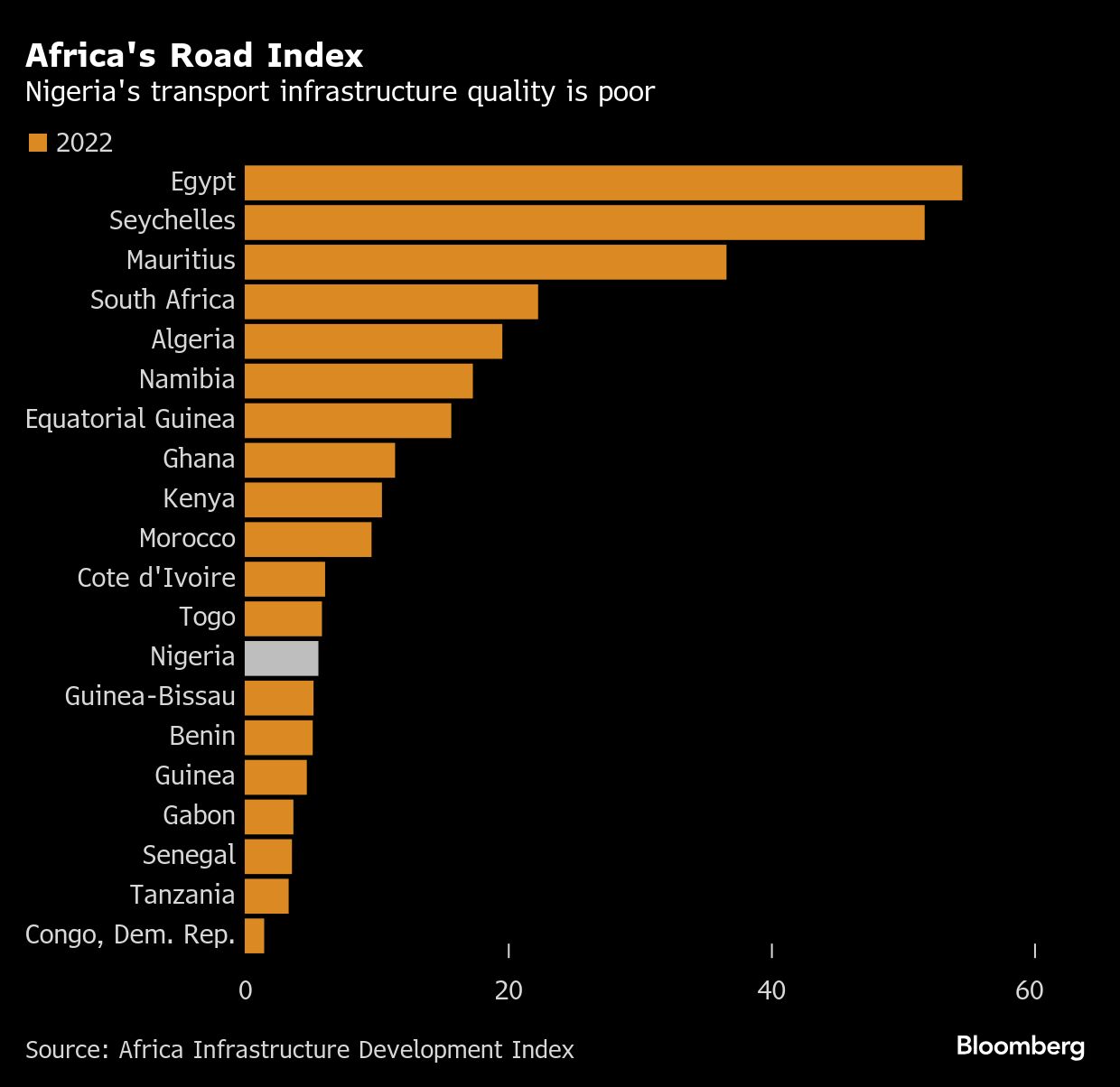
New businesses like OmniRetail and TradeDepot offer the potential to open up an estimated market of 8 million informal traders for consumer-goods makers in Nigeria. Online platforms help the manufacturers reduce distribution costs and increase reach in the country, which ranks 29th on the continent — according to the Africa Infrastructure Development Index — in terms of its transport network.
Informal retail dominates Africa, accounting for as much as 80% of sales in some countries and driving about the same proportion of corporate revenue annually in countries such as Nigeria. The International Labour Organisation estimates the sector supplies about 86% of Africa’s labour force, especially in agriculture, trade and services.
For retailers — usually a one-person stall under a tree or at a roadside — better access to goods means more income in a nation that’s home to the largest number of people living in extreme poverty.
ADVERTISEMENT
CONTINUE READING BELOW
“The pooling of services creates efficiency for manufacturers, and cost reduction for the last mile retailers,” Adetilewa Adebajo, chief executive officer at Lagos-based CFG Advisory, said by phone. Inadequate road infrastructure makes a strong case for digitisation to drive trade, he said.
The startups are addressing some of the challenges faced by companies operating in Nigeria. Rampant unemployment, widespread poverty and insecurity, a volatile currency and decades of economic mismanagement have led companies from the US to South Africa to flee the country.
Lagos-based OmniRetail, which is backed by a Norwegian development finance institution, processed 1.3 trillion naira ($849 million) of sales transactions last year, according to CEO Deepankar Rustagi.
OmniRetail “provides real-time data on market demand and retailer behaviour,” which has helped Flour Mills expand in Ghana and Francophone West Africa, said Boye Olusanya, CEO of Flour Mills. Guinness has managed to cut distribution costs by as much as 20%, CEO Girish Sharma said.
“For manufacturers like us, the platform streamlines the entire process — from order placement to payment by distributors,” enabling real-time transactions, Sharma said.
ADVERTISEMENT:
CONTINUE READING BELOW
OmniRetail and Koolboks, which sells solar refrigerators to mom-and-pop shops, raised a combined $31 million this year to expand.
Koolboks is partnering firms including Coca-Cola, Guinness and Flour Mills to offer solar and regular refrigeration units for food and drinks preservation to retailers to enable them to boost sales.
The company plans to raise another $30 million, part of which will be deployed to expand its refrigeration assembly capacity to 72,000 units a year from 7 000, Managing Director Ayoola Dominic said in an interview.
While fintech platforms improve supply-chain efficiency by reducing costs for both manufacturers and retailers, it doesn’t guarantee future growth for the mom-and-pop shops, Yele Okeremi, CEO of financial-technology firm Precise Financial Systems, said by phone.
“As time goes on, the companies and the apps may cut off the retailer to sell directly to the consumer for higher margins, as is the case with Amazon.com,” Okeremi said “Weak institutions for dispute resolution, volatility in the exchange rate and other risks to growth are affecting the confidence of investors.”
© 2025 Bloomberg
Follow Moneyweb’s in-depth finance and business news on WhatsApp here.

